Qwest commercial 1999 - Every Movie
Greg NielsenCited 4× on HN, 2019–2023
other · general · evergreen · 2019–2023 on HN
A one-minute 1999 Qwest commercial where a hotel clerk promises every movie ever made in any language, any time.
HN uses it as a nostalgic example of the promised any-media-on-demand future that never fully arrived.
Up next
 6 mo on HN
Joe Ades , Greatest Salesman in New York City History !!! #KONYH !!
KING OF NEW YORK HACKS
6 HN recommender · 2009–2014
 6 mo on HN
Bryan Cranston's Advice to Aspiring Actors
Oscars
5 HN recommender · 2015–2022
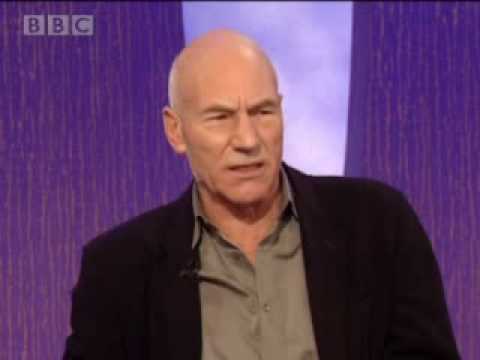 5 mo on HN
Patrick Stewart interview - Parkinson - BBC
BBC Studios
5 HN recommender · 2012–2022
 4 mo on HN
★ Cab ride 🇨🇭St. Moritz - 🇮🇹Tirano (Bernina pass), Switzerland to Italy [10.2019]
lorirocks777
3 HN recommender · 2020–2025
 3 mo on HN
Angry Voicemail We Got From an Alamo Drafthouse Customer
Alamo Drafthouse
3 HN recommender · 2011–2026
 3 mo on HN
Nardwuar vs. N.E.R.D - The Extended Version
NardwuarServiette
3 HN recommender · 2019–2023
 3 mo on HN
What a Japanese Moving Company in Tokyo is like
Paolo fromTOKYO
3 HN recommender · 2020–2025
 3 mo on HN
07/27/1978
lasagnacat
2 HN recommender · 2020–2026
 2 mo on HN
How to Age Gracefully | CBC Radio
CBC
2 HN recommender · 2019–2026
 3 mo on HN
Killing a Toyota Part 1 | Top Gear | BBC
Top Gear
3 HN recommender · 2011–2026
 2 mo on HN
Michael Jordan "Failure" Nike Commercial
JayMJ23
2 HN recommender · 2010–2016
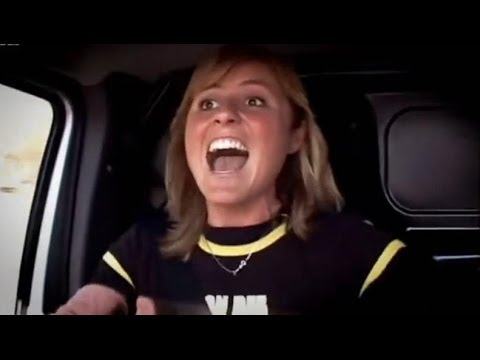 2 mo on HN
Sabine Schmitz's Nurburgring Van CHALLENGE | Top Gear - Part 2
Top Gear
2 HN recommender · 2018–2025
4 comments from Hacker News
These also remind me of the Qwest commercials. ("Every movie.. every language.. any time") - ▶ this video The tone and cadence of the rhetorical questions in the AT&T commercials also reminds me of comedian Tom Papa ("Have you ever..? .. I have") - link
Yeah, but that's a real problem for those of us who don't watch a lot of movies. Many people aren't capable of figuring out "where to look" at all anyway. I am, to some degree, but it's just not worth spending that much of my time to hunt them down on the rare occasions I really want to watch something. Also, I'll just note that we never got the 21st century we were promised, which was this - any movie ever made: ▶ this video The fundamental problem is that the people who own movie IP rights are truly evil.
I'm not an audiophile but I have a pair of speakers that is probably 70 or so laptops of volume and something nice to hook them to. I stream lots of music through the YouTube app in my smart TV, and last night some of that was written by Grieg[0]. Remember this Qwest commercial [1]? Streaming music has its pleasures and undistorted sound should be one of them. [0] link [1] ▶ this video
I think it's incomplete to characterize the state of the industry today without discussing how those consumer perceptions of value were intentionally created. If you worked in the music industry for 10 years then your experience almost completely post-dates these efforts. Starting even well before Napster, investors and technology companies saw the opportunity to change the allocation of value from artists and producers, to distribution. To be clear, that was not the allocation 30+ years ago. Record stores and radio stations did not make immensely more money than the labels and artists. Tech companies and investors worked aggressively to "commoditize their complement"--that is, depress the value of art on their platforms, so that they could reallocate consumer spending to their products and services. "Buy a computer and Internet connection and you can have all the music and movies you want for free" was explicitly advertised by technology companies--see for example: ▶ this video I think this historical perspective is crucial for understanding how we got to today. Music files are small, so the music industry was attacked first. The large size of video files kept them safe for long enough for visual artists and producers to understand what was happening and counteract. That is why you see producer-owned distribution channels for video today (Hulu, HBO Go, Disney+, etc), but not label-owned distribution channels for music. This is why Netflix, Amazon, and now Apple have had to get in