The Unanswered Question 1973 1 Musical Phonology Bernstein Norton
cagin4 HN recommenders · recommended in 5 months, 2018–2023
lecture · intermediate · evergreen · 2018–2023 on HN
Leonard Bernstein's 1973 Norton Lectures at Harvard, starting with Musical Phonology. He draws analogies between music and linguistics, including references to Chomsky.
HN recommends it for a deep theory of why music sounds the way it does.
Up next
 8 mo on HN
Dan Abramov - Live React: Hot Reloading with Time Travel at react-europe 2015
ReactEurope
12 HN recommender · 2015–2022
 11 mo on HN
Music Theory and White Supremacy
Adam Neely
11 HN recommender · 2020–2024
 8 mo on HN
Music Software & Bad Interface Design: Avid’s Sibelius
Tantacrul
8 HN recommender · 2019–2026
 8 mo on HN
Trackers: The Sound of 16-Bit
Ahoy
7 HN recommender · 2021–2026
 6 mo on HN
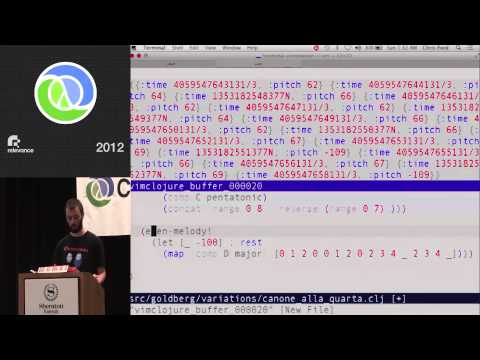
Functional Composition - Chris Ford
ClojureTV
6 HN recommender · 2013–2023
 6 mo on HN
Intro to Synthesis Part 1 - The Building Blocks of Sound & Synthesis
matrixsynth
3 HN recommender · 2018–2022
 6 mo on HN
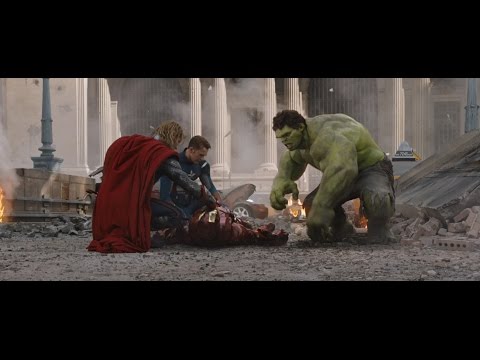
The Marvel Symphonic Universe
Every Frame a Painting
6 HN recommender · 2017–2026
 6 mo on HN
Notation Must Die: The Battle For How We Read Music
Tantacrul
6 HN recommender · 2023–2026
 5 mo on HN
DOOM: Behind the Music
GDC Festival of Gaming
4 HN recommender · 2017–2023
 5 mo on HN
ORCA Sequencer Intro (Experimental Livecoding!)
Allieway Audio
4 HN recommender · 2019–2025
 5 mo on HN
How I Designed a Free Music Font for 5 Million Musicians (MuseScore 3.6)
Tantacrul
5 HN recommender · 2021–2024
 4 mo on HN
K Lars Lohn - Keynote - PyCon 2016
PyCon 2016
4 HN recommender · 2016–2021
5 comments from Hacker News
I feel that this video inherits the spirit of Leonard Bernstein's lectures, particularly the Young People's Concert and the Norton Lectures at Harvard. Bernstein likened music to linguistics, calling each movement of a symphony "a musical sentence."[1] While Two Set Violin may have had facetious intentions, they have faithfully reenacted tensions within the music in their conversation. [1] Check out the Norton Lectures especially, where Bernstein analyzes musical structure with references to Chomsky. The maestro was really well learned. ▶ this video
Leonard Bernstein has some lectures that might be helpful. This one has some good stuff about why notes an octave apart sound similar, etc. ▶ this video
I agree 100% with this. While you can appreciate music it's hard to be a "buff" unless you can try to understand the effort or absolute virtuosity that goes into playing a really complex piece. Knowing that you like the way music sounds is great, but understanding _why_ a particular harmonic shift / change is unexpected, novel, or unique is even better. That said, understanding that sort of theory takes a lot of work and investment. If you can't make that investment, I'd say watching some videos about theory, or reading up on production, or technique on any instrument will help gain a deeper understanding. Bernstein did the Norton Lectures in the 70s around a language of music ( ▶ this video ) but even watching somebody like Cory Wong or Jacob Collier go through their composition, playing and process (there are many other artists that do this stuff to) is great for appreciation / buffery.
I haven't watched the whole thing but this lesson from Barry Harris (and the whole Lincoln Center Jazz Academy) is pretty great for thinking about harmony, solos, and improvisation / voicing: link I've also enjoyed the Leonard Bernstein Norton lectures at Harvard in terms of overall theory of why things sound good to our ears: ▶ this video
Leonard Bernstein gave his answer on the question in a series of lectures titled "The Unanswered Question." Draws analogies to concepts in linguistics and CFGs: ▶ this video