Buy, Borrow, Die: How America's Ultrawealthy Stay That Way
ProPublica1 HN recommender · recommended in 1 month, 2021–2022
explainer · general · 2021–2022 on HN
A short ProPublica video explaining the "Buy, Borrow, Die" strategy wealthy Americans use to cut taxes. They borrow against appreciating assets instead of selling, and the gains are never taxed at death.
Shared as a clearer explanation of the tax loophole than the accompanying article.
Up next
 5 mo on HN
Threads (1984) ORIGINAL TRAILER [HD 1080p]
HD Retro Trailers
5 HN recommender · 2019–2024
 1 mo on HN
The Black Lotus - Starstruck - Amiga Demo (AGA)
RetroDemoScene
1 HN recommend · 2016–2025
 5 mo on HN
The Black Lotus - Eon - Amiga Demo (50 FPS)
RetroDemoScene
4 HN recommender · 2019–2026
 5 mo on HN
Competition is for Losers with Peter Thiel (How to Start a Startup 2014: 5)
Y Combinator
5 HN recommender · 2017–2025
 3 mo on HN
How Kodak Exposed Nuclear Testing
Veritasium
3 HN recommender · 2021–2025
 3 mo on HN
The KGB, The Computer and Me - The Cuckoo’s Egg Story
Australian Phoenix CyberOps
3 HN recommender · 2024–2025
 2 mo on HN
Designer's Digest - Steve Jobs on the role of product and marketing people.
Designer's Digest
2 HN recommender · 2020–2026
 7 mo on HN
MountainWest RubyConf 2013 Devs and Depression by Greg Baugues
Confreaks
7 HN recommender · 2013–2020
 11 mo on HN
What Happened to Horses Is Happening to Us
CGP Grey
11 HN recommender · 2014–2026
 10 mo on HN
Winners Take All | Anand Giridharadas | Talks at Google
Talks at Google
9 HN recommender · 2018–2026
 10 mo on HN
The Coming Collapse of the Middle Class with Elizabeth Warren
University of California Television (UCTV)
10 HN recommender · 2008–2022
 8 mo on HN
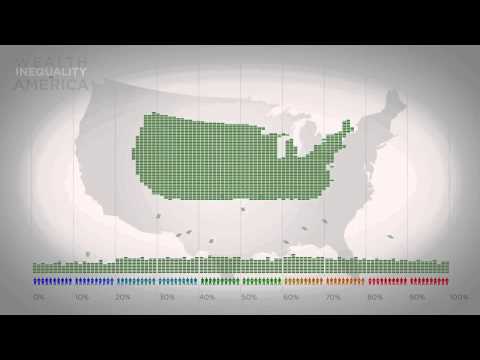
Wealth Inequality in America
politizane
8 HN recommender · 2013–2025
5 comments from Hacker News
A better way to structure the article would be: - explain how much tax evasion took place - explain how the tax evasion happens - who is doing it - what to do next. Only then, compare the situation to the average person. Everyone knows how much they pay in taxes themselves. This video does a better job at explaining the tax loophole: ▶ this video
Tax the proceeds at loan origination (1099-whatever filed by whomever is providing the cash based on pledged assets). How you pay the loan back if the collateral declines in value is your problem (or the bank’s problem, depending on the amount in question). High level, it closes a financial engineering loophole (buy, borrow, die [1]). The taxable event is when you get liquid, and a loan is liquidity. The tax code requires a patch, that’s all. [1] ▶ this video
It's more like the wealthy's "buy, borrow, die" strategy [1] without the cumbersome "buy" part. Japan's debt to gdp is almost 200% as the population decline continues. Confidence won’t evaporate until the market determines productivity can’t meet the yield bought. Somebody is going to be left holding the bag, but it ain’t anybody investing today. [1] ▶ this video
▶ this video They never sell, they borrow over that invested money and pay 3% (interest) instead of 37% (income tax)
In the video attached to the article they mention the rich loan money and live off that. They don't explain how they are paying that loan. ▶ this video I felt the article was not very inspiring since it emphasised the tax the rich pay in relation to their wealth not their income. Which is irrelevant. Of course they are not going to spend all their wealth and pay tax on it.