How Music Works 1 - Melody - Part 1
timegrinderRecommended by 3 HN commenters across 3 months, 2009–2016
documentary · intro · evergreen · 2009–2016 on HN
The first part of a four-part Channel 4 (UK) documentary series presented by Howard Goodall, this episode covers melody and why tunes affect us so deeply. It explains how melody works in Western music with historical background and music theory.
HN people recommend the series as a good, approachable introduction to music theory with historical context.
Up next
 10 mo on HN
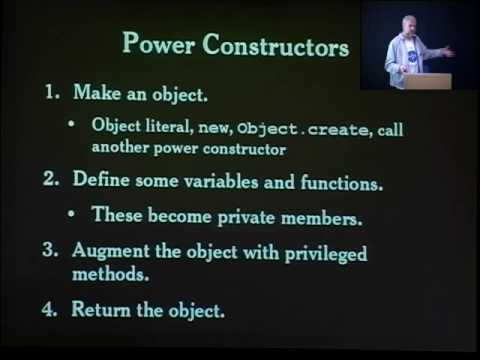
JavaScript: The Good Parts
Google TechTalks
Recommended 11× on HN · 2009–2020
 11 mo on HN
Music Theory and White Supremacy
Adam Neely
Recommended 11× on HN · 2020–2024
 8 mo on HN
Music Software & Bad Interface Design: Avid’s Sibelius
Tantacrul
Recommended 8× on HN · 2019–2026
 8 mo on HN
Trackers: The Sound of 16-Bit
Ahoy
Recommended 7× on HN · 2021–2026
 6 mo on HN
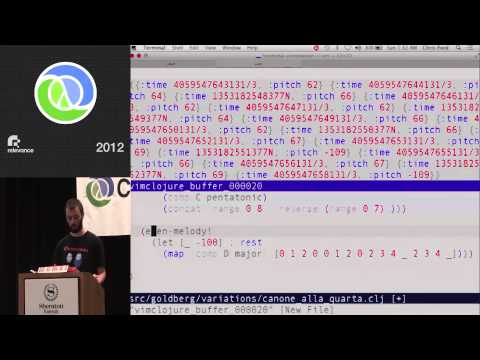
Functional Composition - Chris Ford
ClojureTV
Recommended 6× on HN · 2013–2023
 6 mo on HN
Intro to Synthesis Part 1 - The Building Blocks of Sound & Synthesis
matrixsynth
Recommended 3× on HN · 2018–2022
 6 mo on HN
The Marvel Symphonic Universe
Every Frame a Painting
Recommended 6× on HN · 2017–2026
 6 mo on HN
Notation Must Die: The Battle For How We Read Music
Tantacrul
Recommended 6× on HN · 2023–2026
 5 mo on HN
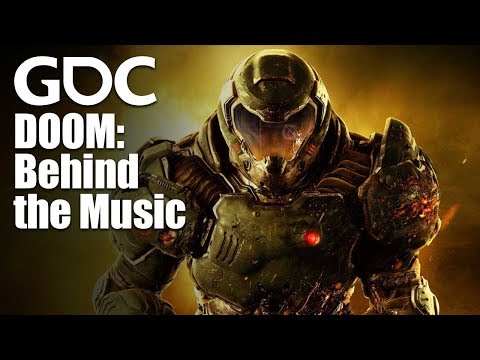
DOOM: Behind the Music
GDC Festival of Gaming
Recommended 4× on HN · 2017–2023
 5 mo on HN
ORCA Sequencer Intro (Experimental Livecoding!)
Allieway Audio
Recommended 4× on HN · 2019–2025
 5 mo on HN
How I Designed a Free Music Font for 5 Million Musicians (MuseScore 3.6)
Tantacrul
Recommended 5× on HN · 2021–2024
 4 mo on HN
K Lars Lohn - Keynote - PyCon 2016
PyCon 2016
Recommended 4× on HN · 2016–2021
3 comments from Hacker News
A djembe is played with rhythm and tone, but the rhythm itself doesn't have any tone color. Rhythm is time. Notes are wavelength, and in Western music we use a 12 note system to denote them, and musical theory is a shorthand used to denote the complex mathematical intervals at work in it. It's fascinating stuff, and if you're interested in learning more about it there's a great BBC series available on YouTube that describes what's happening in Western musical theory: How Music Works ▶ this video Suggesting that students don't need to learn basic music theory is kind of ridiculous. Can the human ears find the tonic/dominant/sub-dominant interval relationships on their own? Of course. That's part of the reason we find them so pleasing. You don't need music theory to hear. You need it to communicate with other musicians. Music is a group activity. It's an ongoing conversation in our culture. If you want to participate in the musical traditions of our society, you need to be able talk to other musicians. This means different things for different traditions, but the amount of learning needed to get your feet under you in music is less than learning how how to play most video games or even the most basic syntax of a programming language. Can we teach it better? Absolutely. But we still need to teach it.
'Music Theory for Computer Musicians' was very helpful for me. link There's also a great TV series from England called 'How Music Works' which gives more of a historical background. ▶ this video
piano/keyboards - have my eyes on one of these: link by the way, 4 part series on music theory that's worth a watch: ▶ this video