The music theory of V A P O R W A V E
Adam Neely1 HN recommender · recommended in 1 month, 2016–2025
explainer · general · evergreen · 2016–2025 on HN
Adam Neely analyzes vaporwave through music theory, timbre and nostalgia, and includes a parody track made for the video. He also touches on the phenomenology of music.
Cited as a short, fun introduction to the phenomenology of music and as an explanation and critique of vaporwave.
Up next
 2 mo on HN
Megaprocessor Tour 1 - (fixed audio)
Megaprocessor
2 HN recommender · 2016–2024
 9 mo on HN
The Century of the Self - Part 1: "Happiness Machines"
JustAdamCurtis
13 HN recommender · 2017–2025
 11 mo on HN
Music Theory and White Supremacy
Adam Neely
11 HN recommender · 2020–2024
 8 mo on HN
Music Software & Bad Interface Design: Avid’s Sibelius
Tantacrul
8 HN recommender · 2019–2026
 8 mo on HN
Trackers: The Sound of 16-Bit
Ahoy
7 HN recommender · 2021–2026
 6 mo on HN
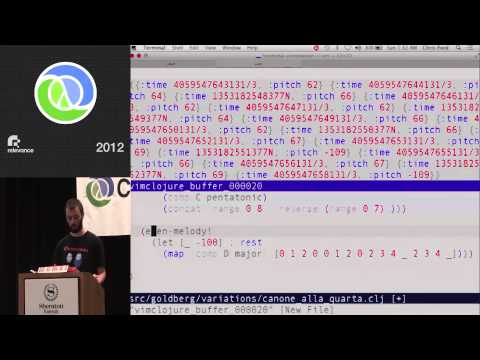
Functional Composition - Chris Ford
ClojureTV
6 HN recommender · 2013–2023
 6 mo on HN
Intro to Synthesis Part 1 - The Building Blocks of Sound & Synthesis
matrixsynth
3 HN recommender · 2018–2022
 6 mo on HN
The Marvel Symphonic Universe
Every Frame a Painting
6 HN recommender · 2017–2026
 6 mo on HN
Notation Must Die: The Battle For How We Read Music
Tantacrul
6 HN recommender · 2023–2026
 5 mo on HN
DOOM: Behind the Music
GDC Festival of Gaming
4 HN recommender · 2017–2023
 5 mo on HN
ORCA Sequencer Intro (Experimental Livecoding!)
Allieway Audio
4 HN recommender · 2019–2025
 5 mo on HN
How I Designed a Free Music Font for 5 Million Musicians (MuseScore 3.6)
Tantacrul
5 HN recommender · 2021–2024
3 comments from Hacker News
Auto-synthesis of music has been a topic of academic interest since the 1950s, when the first mainframe scribbled out code on paper tape to be translated into sheet music and performed. UToronto's work here is the latest expression of this desire. The huge gap between our cultures' actual music and these synthetic projects can to an extent be described through "receptivity" or the phenomenology of music, in other words, how it's experienced. The following fun, short talk does a great job of introducing the concept of through its analysis of "vaporwave." ▶ this video
From "The music theory of V A P O R W A V E" where Adam Neely not only explains and critiques Vaporwave but takes a big steaming dump on it by creating the track that captures and parodies its entire aesthetic. ▶ this video He got his source material directly from this archive.org collection, as it says in the opening titles: "On October 2, 2015, Mark Davis posted his prized collection of digitized K-mart elevator music cassette tapes to archive.org, free for anybody to use. Vaporwave producers rejoiced."
>I've re-read this paragraph like twenty times and I'm still not sure what to make of it. Re-read what it was written in response to. You argued a lot that something like Black Square has little "artistic merit" because it is very easy to re-create, and someone could do it by accident. Let me pose a question: if so, why hasn't there been a painting like that in the 19th century? 18th? Or at any time over the millenia that the humanity has produced paintings in rectangular frames? Black, after all, is the simplest, most easily available color. Another line of thought for you to consider. You might have heard of Vaporwave[1], which is a musical[2] as well as visual art aesthetic/movement. I would urge you to read [1], as it will help you understand the answers to your questions, then come back here. [1] link [2] ▶ this video