Apple - Here's to the Crazy Ones (1997)
vintagemacmuseumCited 5× on HN, 2013–2021
other · general · evergreen · 2013–2021 on HN
Apple's 1997 Think Different commercial, 'Here's to the Crazy Ones', which launched the campaign after Steve Jobs returned. It celebrates misfits and unconventional thinkers.
HN cites it as an example of Apple praising the word crazy, though some call it vague feel-good marketing at odds with today's Apple.
Up next
 14 mo on HN
Micro Men - 720p (2009)
gimpymoo
15 HN recommender · 2015–2026
 12 mo on HN
Project Code Rush - The Beginnings of Netscape / Mozilla Documentary
The Documentary Network
13 HN recommender · 2015–2026
 10 mo on HN
Ed Catmull, Pixar: Keep Your Crises Small
Stanford Graduate School of Business
9 HN recommender · 2010–2017
 9 mo on HN
LISA11 - Fork Yeah! The Rise and Development of illumos
USENIX
9 HN recommender · 2012–2026
 6 mo on HN
Secret History of Silicon Valley
Computer History Museum
6 HN recommender · 2010–2026
 4 mo on HN
The Spectacular Failure of the Star Wars Hotel
Jenny Nicholson
4 HN recommender · 2024–2026
 5 mo on HN
The Secret History of Silicon Valley
Google TechTalks
5 HN recommender · 2008–2016
 5 mo on HN
Netscape Mozilla Documentary 1998 - 2000 ProJect Code Rush - creative common licence
znoopy2k
5 HN recommender · 2011–2013
 4 mo on HN
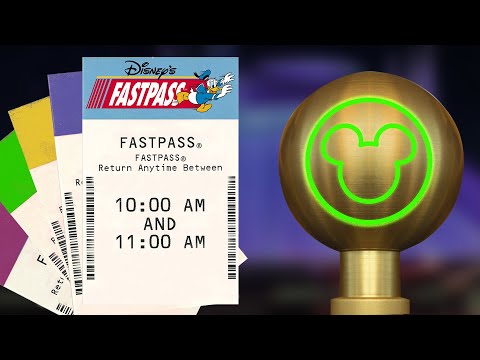
Disney's FastPass: A Complicated History
Defunctland
7 HN recommender · 2021–2024
 4 mo on HN
Complete Apple WWDC | Steve Jobs talk and answer developers questions | 1997
TheAppleFanBoy - Apple & Computer Archives
4 HN recommender · 2018–2025
 4 mo on HN
iPhone 1 - Steve Jobs MacWorld keynote in 2007 - Full Presentation, 80 mins
Protectstar Inc.
4 HN recommender · 2020–2025
 5 mo on HN
Facebook Fraud
Veritasium
7 HN recommender · 2014–2025
5 comments from Hacker News
I can't say which distro grandparent is using on their Pinephone, but when they say split-screen they could very well mean, literally, what one would find on a desktop. While personally, this sounds cumbersome to me, some people have very unusual ways of using their Pinephones. To me, that's awesome - we've settled on "how one uses a mobile phone" based on what Google and Apple have designed. Having new, off-the-wall ideas will lead to some people doing slightly insane things, and I say that in the most positive way possible. Finally, as long as we're straying firmly off-topic: What some people are doing with their mobile Linux devices always reminds me of an Apple ad [0], from when "Think Different" was still the motto of an underdog. [0] ▶ this video
I think it's a matter of angle, in western popular culture "crazy" often has a positive connotation, for example I remember seeing an ad with the line "For the crazy ones". In other instances, it's the opposite, in my wife's home country for example, "crazy" is used as an insult and it's highly offensive. Edit: the ad was this one ▶ this video
of course Apple is not what it used to be and this is just marketing talk but just look at the "here's to the crazy ones Apple comercial": ▶ this video Can any entity glorify civil disobedience historical figures and bend to the wills of a country known for gross human rights violations? Of course it can but it shouldn't.
I'll play devil's advocate and ask: how is this different from the celebrated "Here's to the crazy ones" ads? Granted, these ads are more bland and forgettable, but that's a difference of degree, not kind. Compare: ▶ this video link Both are content-free, vague, feel good ads. I feel like all the criticism in the article would also apply to "Here's to the crazy ones", perhaps even more so - at least the new ads actually outline Apple's design philosophy, while the older ad really has nothing to do with... well, anything. So I'll grant that the execution in the new ad falls somewhat short, but does that simply mean the ads don't go far enough with vacuous feel-good stuff?
First, "crazy" isn't automatically a negative term. It can even be seen as positive. Apple used the word in a ad campaign[1] early in Steve Job's[2] return. As to the infrastructure, it really has nothing to do with some fear of socialism. It is very much the problem of cost s, regulatory hurdles, and (increasingly) lack of skilled workers to carry out the construction. Court costs are the biggest killer. Every group is going to bring a lawsuit in any big infrastructure project. China doesn't have to worry about that[3]. For all the talk, if high speed rail was $1 million per mile and we had no lawsuits, we would have the things all over the place. 1) ▶ this video 2) link 3) sometimes this hurts more than helps when problems arise in the project