Kevin Systrom: Instagram | Lex Fridman Podcast #243
Lex Fridman2 HN recommenders · recommended in 2 months, 2021–2022
podcast · general · evergreen · 2021–2022 on HN
Lex Fridman interviews Instagram co-founder and former CEO Kevin Systrom about building the product, its early days and its pivot story.
Pointed to for the founder's own account of Instagram's pivot, early scaling on Django with a small team, and avoiding overengineering.
Up next
 13 mo on HN
Jim Simons (full length interview) - Numberphile
Numberphile2
11 HN recommender · 2015–2024
 11 mo on HN
Steve Jobs Stanford Commencement Speech 2005
JoshuaG
13 HN recommender · 2007–2015
 11 mo on HN
Alan Kay - Normal Considered Harmful
powerfuloutlet
10 HN recommender · 2012–2026
 10 mo on HN
Growing a Language, by Guy Steele
Bill Pugh
11 HN recommender · 2014–2026
 10 mo on HN
A Philosophy of Software Design | John Ousterhout | Talks at Google
Talks at Google
11 HN recommender · 2018–2026
 10 mo on HN
"Uncle" Bob Martin - "The Future of Programming"
Paul Stringer's Mobile Tech
10 HN recommender · 2016–2022
 10 mo on HN
VCF East: Ken Thompson interviewed by Brian Kernighan
Vintage Computer Federation
11 HN recommender · 2019–2025
 10 mo on HN
Hamming, "You and Your Research" (June 6, 1995)
securitylectures
11 HN recommender · 2012–2023
 8 mo on HN
Tech Talk: Linus Torvalds on git
Google
9 HN recommender · 2007–2023
 10 mo on HN
Alan Kay's tribute to Ted Nelson at "Intertwingled" Festival
TheTedNelson
7 HN recommender · 2016–2025
 9 mo on HN
Joe Rogan Experience #1035 - Paul Stamets
PowerfulJRE
10 HN recommender · 2017–2025
 8 mo on HN
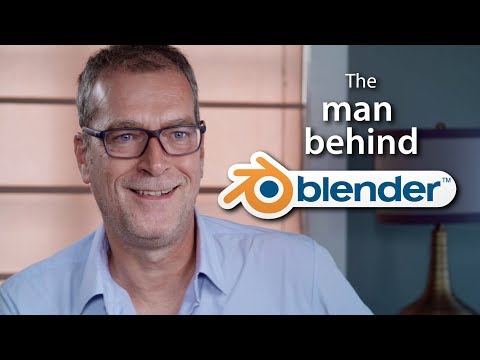
"Money doesn't interest me" - Ton Roosendaal 2017 Interview
Blender Guru
7 HN recommender · 2018–2025
4 comments from Hacker News
Thank you for sharing this -- I didn't realize this existed. Instagram is covered in your link, and you can hear about it from the founder in this really good Lex Fridman podcast: ▶ this video These lists always kind of remind me of popular bands that changed music over time. The most drastic "pivot" I've ever come across in a known band is Ministry, who went from a benign new-wave Depeche Mode clone in 1983 [1] to a pseudo-Cabaret Voltaire in 1986 [2], then to full-on metal by 1991 [3]. [1] link [2] link [3] link
Interesting interview of Lex Friedman to Kevin Systrom co-founder of instagram where he talks about the beginning of the platform and overengineering. ▶ this video
In the early days, Instagram silently uploaded your photo before you actually officially posted as a way to improve the "speed" of the user experience. So go ahead and add your filters, the text for the post, etc. because then the moment you clicked Post the app presented like it happened immediately. All for the UX. Source: Kevin Systrom on Lex Fridman Podcast ▶ this video
I watch the other day, the Lex Fridman podcast with Kevin Systrom, founder of Instagram. He talks about the scaling issue; they were using Django at that time and scale up to 50 millions users with a small team of developers. I do not think a majority of companies have more than 50 millions users and absolutely need to go full microservices. ▶ this video