The magic washing machine | Hans Rosling
TEDCited 3× on HN, 2013–2024
talk · general · evergreen · 2013–2024 on HN
Hans Rosling makes the case that the washing machine was the greatest invention of the industrial revolution. Using Gapminder graphics, he shows how electricity and economic growth free up time for reading and learning.
Referenced when discussing how much time household technology saved families and how heavy housework used to be.
Up next
 14 mo on HN
A Better Default Colormap for Matplotlib | SciPy 2015 | Nathaniel Smith and Stéfan van der Walt
Enthought
15 HN recommender · 2015–2026
 12 mo on HN
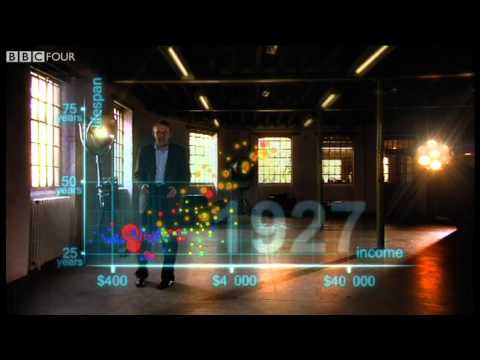
Hans Rosling's 200 Countries, 200 Years, 4 Minutes - The Joy of Stats - BBC
BBC
10 HN recommender · 2010–2023
 11 mo on HN
DON'T PANIC — Hans Rosling showing the facts about population
Gapminder Foundation
8 HN recommender · 2017–2021
 8 mo on HN
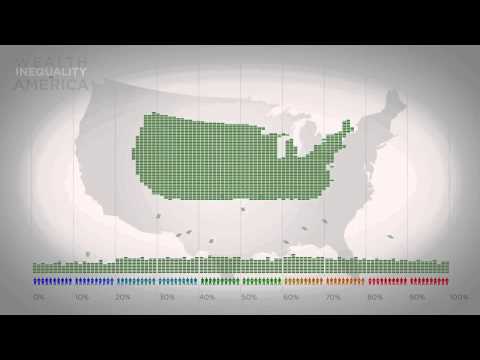
Wealth Inequality in America
politizane
8 HN recommender · 2013–2025
 7 mo on HN
Animations of unseeable biology | Drew Berry | TED
TED
7 HN recommender · 2017–2025
 7 mo on HN
Immigration, World Poverty and Gumballs
NumbersUSA
7 HN recommender · 2013–2024
 6 mo on HN
How not to be ignorant about the world | Hans and Ola Rosling
TED
5 HN recommender · 2015–2023
 5 mo on HN
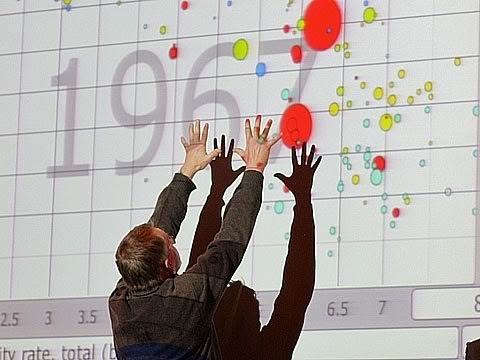
The best stats you've ever seen | Hans Rosling
TED
5 HN recommender · 2013–2026
 5 mo on HN
4 2 1 Christopher Domas The future of RE Dynamic Binary Visualization
Adrian Crenshaw
7 HN recommender · 2013–2026
 5 mo on HN
Simulating an epidemic
3Blue1Brown
8 HN recommender · 2020–2023
 5 mo on HN
Star Size Comparison 2
morn1415
5 HN recommender · 2016–2022
 4 mo on HN
Animated Voting Methods
Unify The Vote
3 HN recommender · 2018–2022
3 comments from Hacker News
A factor I think gets left out of this conversation is that the 50's housewife was an aberration, a home-based adult in an age of washing machines, electric ovens and small gardens at most. There used to be so much housework you basically needed a dedicated person to do it all[1]. '50s housewives didn't need to do most of that BUT they were also the primary mental health caregivers for a generation of men who had just come back from something like the second-most brutal war in human history. Typically with support from a member of the clergy but they were on the front lines. It was an enormous but unacknowledged responsibility. And given that we didn't have a repeat of what happened after WW1, on average it must have been pretty well handled. Today we have memetic warfare [2] instead, and given the social media nature of it, I would expect more women on the frontlines of it than men. Maybe we'll have a lot of 'tradmen' who spend a lot of time fishing, writing poetry, and providing mental health care for their partners working in social media. [1] ▶ this video [2] link
The whole "reduce, reuse, recycle" approach isn't tenable. Even a very environmentally conscious US lifestyle still produces a very substantial appoint of carbon emissions. For more, see how Hans Rosling covered the idea in his 2011 "Magic Washing Machine" presentation. ▶ this video
I'd liken this to the "washing machine effect" that Hans Rosling explaned in his TED talk [1]. He essentially made the case that the washing machine made a huge difference in the history of the world so parents could spend more time with their kids (among other things) instead of many hours a week just washing clothes. I would say Google Shopping Express has a similar effect for shopping trips where the time spent greatly affects the amount of things an individual can accomplish in a day. [1] ▶ this video