The Early Days of id Software
GDC Festival of Gaming1 HN recommender · recommended in 1 month, 2017–2023
talk · general · evergreen · 2017–2023 on HN
John Romero's 2016 GDC Europe talk recounts the early days of id Software and the programming principles behind Doom and Quake, including fast iteration and keeping the game bootable.
Strongly recommended as an inspiring hour on how id worked, often linked in programming-practice threads.
Up next
 14 mo on HN
Micro Men - 720p (2009)
gimpymoo
15 HN recommender · 2015–2026
 17 mo on HN
8 Bit & '8 Bitish' Graphics-Outside the Box
GDC Festival of Gaming
13 HN recommender · 2018–2026
 12 mo on HN
Reverse emulating the NES to give it SUPER POWERS!
suckerpinch
12 HN recommender · 2018–2025
 10 mo on HN
The Ultimate Game Boy Talk (33c3)
media.ccc.de
10 HN recommender · 2017–2026
 9 mo on HN
How Crash Bandicoot Hacked The Original Playstation | War Stories | Ars Technica
Ars Technica
13 HN recommender · 2020–2026
 9 mo on HN
The Engoodening of No Man's Sky
Internet Historian
9 HN recommender · 2020–2025
 10 mo on HN
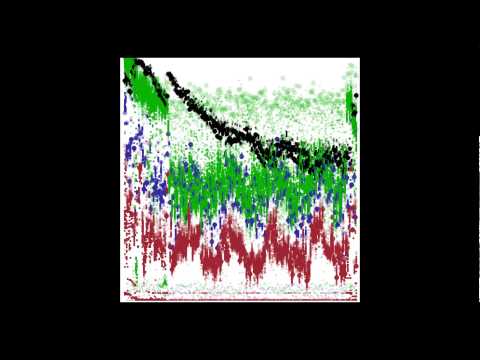
Computer program that learns to play classic NES games
suckerpinch
9 HN recommender · 2015–2025
 9 mo on HN
SNES Code Injection -- Flappy Bird in SMW
SethBling
9 HN recommender · 2016–2025
 7 mo on HN
'Diablo': A Classic Game Postmortem
GDC Festival of Gaming
8 HN recommender · 2018–2023
 7 mo on HN
FIXING the ENTIRE SM64 Source Code (INSANE N64 performance)
Kaze Emanuar
7 HN recommender · 2022–2025
 6 mo on HN
How we fit an NES game into 40 Kilobytes
Morphcat Games
6 HN recommender · 2019–2026
 6 mo on HN
Old pinball machines are amazingly complex
Technology Connections
6 HN recommender · 2023–2026
4 comments from Hacker News
This is first class post-hoc bullshit. They weren't making prototypes or reusing code, they sure as hell weren't composing high-sounding principles. They just got on with it because they were talented experienced and motivated. For that reason, the rest of the talk is very inspiring - so listen to the hour-long video (half talk, half questions), and not the article which only has the post-hoc bits. ▶ this video
It's also worthwhile to remember where the team honed their craft, as was also mentioned in this session: The early id team worked for a publisher called Softdisk that provided a game subscription where customers received a new game every month. This was basically a way to iterate on the practice and process of game development in one month cycles. The shareware relase of Doom had four months of development, which sounds crazy short by today's standards, but for them it was unusual to have so much time. There's several talks on Youtube by John Romero where he tells the story of the early id software, e.g. ▶ this video
> As I've became more experienced what impresses me is how iD was able to crank out so much software so quickly > usually have multiple dead-ends where it isn't until after I've tried using a technique with real data that I realize it has weaknesses the researchers didn't point out and which can't easily be fixed If you listen to John Romero himself telling the story of id and the fast iteration, it was "due to having, basically, 10 years of intense game development experience prior": ▶ this video ("it's also due to the first principle we had - no prototypes") A theme I tend to see is that a lot of folks with super output appear to others like icebergs - a LOT of effort that nobody can see, and a tiny peak at which everyone marvels.
John Romero learned this in his early days at ID Software: it's crucial that you can still boot the game even when things are missing, but make them very apparent. Source: somewhere in this video ▶ this video