The Lively & Liveable Neighbourhoods that are Illegal in Most of North America
Not Just Bikes5 HN recommenders · recommended in 5 months, 2021–2024
explainer · general · evergreen · 2021–2024 on HN
Not Just Bikes explains how small pockets of shops and restaurants inside residential Dutch neighbourhoods create liveliness and help reduce traffic. It argues this kind of mixed-use design has been illegal in most of the US and Canada for a century because o…
HN commenters link it in zoning, housing and car-dependency threads as an accessible explanation of how single-use zoning and parking rules shape cities.
Up next
 10 mo on HN
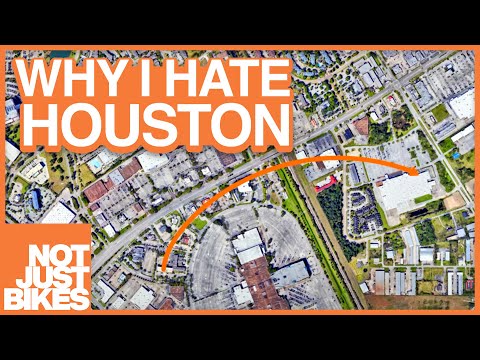
Why This Channel Exists (and why I hate Houston)
Not Just Bikes
11 HN recommender · 2021–2025
 11 mo on HN
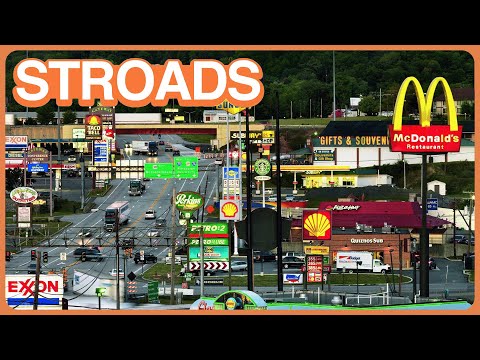
Stroads are Ugly, Expensive, and Dangerous (and they're everywhere) [ST05]
Not Just Bikes
12 HN recommender · 2021–2025
 4 mo on HN
The Houses that Can't be Built in America - The Missing Middle
Not Just Bikes
4 HN recommender · 2021–2023
 2 mo on HN
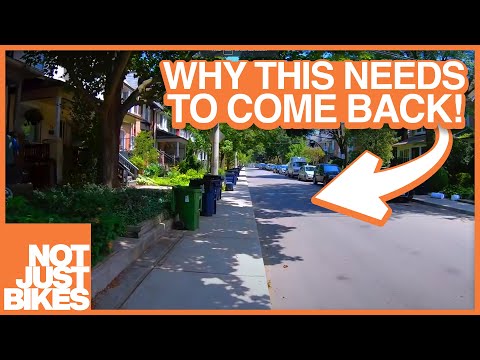
Suburbs that don't Suck - Streetcar Suburbs (Riverdale, Toronto)
Not Just Bikes
3 HN recommender · 2021–2026
 5 mo on HN
How Bankrupt American Cities Stay Alive - Debt [ST04]
Not Just Bikes
7 HN recommender · 2021–2024
 9 mo on HN
The Wrong Way to Set Speed Limits [ST06]
Not Just Bikes
9 HN recommender · 2021–2025
 8 mo on HN
The Best Country in the World for Drivers
Not Just Bikes
9 HN recommender · 2021–2026
 3 mo on HN
Stop Signs Suck and We Should Get Rid of Them
Not Just Bikes
4 HN recommender · 2022–2024
 12 mo on HN
How Self-Driving Cars will Destroy Cities (and what to do about it)
Not Just Bikes
17 HN recommender · 2024–2026
 10 mo on HN
Why American Cities Are Broke - The Growth Ponzi Scheme [ST03]
Not Just Bikes
14 HN recommender · 2021–2024
 9 mo on HN
Cities Aren't Loud: Cars Are Loud
Not Just Bikes
10 HN recommender · 2021–2025
 10 mo on HN
Why Canadians Can't Bike in the Winter (but Finnish people can)
Not Just Bikes
10 HN recommender · 2021–2026
12 comments from Hacker News
Oh boy you are in for a treat. Google parking minimums and single family zoning. And watch some videos from this channel: ▶ this video
No but there is way less dependence on cars, at least in medium cities and up. Many developments in america just build suburban deserts where there is just more single family homes around you, where you have to drive to the next supermarket, both because it's so far away, and because sometimes there literally isn't a way for pedestrians to walk on. There are a few good videos on the subject: * link * ▶ this video * link
The whole medieval cities designed for walking is not actually true. Not just bikes youtube channel( ▶ this video ) has a great video about this. Here he has taken Houston as an example.
There is something in between NYC and an American-style suburb. I encourage you to take a look at Not Just Bikes [1,2]: [1] link [2] ▶ this video
Yes, and it's often referred to as 'gentle density'. The idea is to build relatively dense housing, but at a human scale - mostly 3-5 storeys. Combined with narrow streets that support walking and cycling, this creates enough density to support a 'real' city centre with shops, restaurants, offices and so on. I think these videos convey the idea well: * ▶ this video * link Of course, this is not to say that you _can't_ build other kinds of housing. But many cities are badly balanced.
The Lively & Liveable Neighbourhoods that are Illegal in Most of North America : ▶ this video The Suburbs Are Bleeding America Dry | Climate Town (feat. Not Just Bikes) : link
Just gonna also say the current US zoning laws are batty when it comes to sustainability. You shouldn’t segment commercial and residential zones and suburbia in general is a massive disaster. You want sustainable cities, you need high dense walkable cities with commercial spaces embedded. Sure move the giant factories somewhere else, but we shouldn’t oppose small scale sustainable businesses being embedded in residential zones. ▶ this video
Annnnnd why is it that cities aren't building denser housing? (it's because it's illegal. Because of parking minimums, density maximums, and level of service rules. Which exist because of cars. Which you need to go 10 miles because everything is so far apart. Because of those rules. Because of cars.) ▶ this video
AirBnB sux but zoning has arguably been a net negative on most societies in many ways ▶ this video link for me what I noticed lately is that in California it's impossible to have a quiet modern apartment because nearly 100% of modern apartment buildings are only allowed to be built on busy noisy high traffic streets. If you want a quiet street you're forced to buy/rent a house
Many of those codes have been designed to protect incombents from competition and various other forms of encouraging one form of living (car dependent) over others. Plenty of people in Japan, Korea, Hong Kong, etc live happy lives in much much smaller living areas. This makes them more affordable. But building codes in many places in the USA disallow making places that small. Other examples of questionable codes are codes that require parking spaces, codes that require front yards, codes that require backyards, etc.... link ▶ this video
> regulations or policies that push development away from suburbs and into cities. I misspoke. By "getting rid of suburbia", I mean getting rid of American-style, car-centric suburban development. You'll absolutely want to have development in the suburbs. And to do that, you don't need a lot of changes in regulations. Surely, you'll have to fight with NIMBYs, but these changes do not require massive regulations: - Upzoning all R1 zones, and abolish Euclidian Zone. Just by getting rid of exclusive single-family zones that are so prevalent in the US, and start allowing multi-family townhouses, mixed-use areas, you could recover basically every city that is not part of coastal metro area: ▶ this video - Transit-oriented development. City Beautiful has a great video about it: link
To back up what you said: The Lively & Liveable Neighbourhoods that are Illegal in Most of North America (Not Just Bikes channel) ▶ this video